
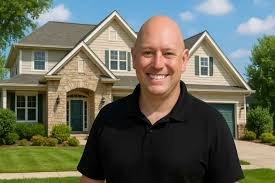
Building a home on a lot in Rockhill or Garrisonville requires a different kind of loan than buying an existing house, and understanding how land and construction financing works can save a buyer thousands in fees and delays. This guide breaks down how these loans are structured, what lenders require, and what the process actually costs for a Stafford County build.
How Land and Construction Financing Differs From a Standard Mortgage
A standard mortgage funds a finished, appraised property in one lump sum at closing. Land and construction financing works differently: the lender releases money in stages, called a draw schedule, tied to completed build milestones such as foundation pour, framing, drywall, and final walkthrough. An inspector typically verifies each stage before funds move to the builder, which protects both the borrower and the lender against paying for work that hasn’t happened.
Land-only financing adds another layer. Raw land, meaning a lot with no utilities, road access, or perc test, carries more risk for a lender than an improved lot that already has power, water, and septic or sewer approval in place. Because of that risk gap, land loans generally require a larger down payment than a purchase loan on a completed home, and terms are shorter, often five to fifteen years instead of thirty.
Two other terms matter before you talk to a builder. Builder’s risk insurance is a short-term policy covering the structure while it’s under construction, protecting against fire, theft, and weather damage before a homeowner’s policy can take effect. And there’s a real distinction between a plain construction loan, which only covers the build itself and must be paid off or refinanced when work finishes, and a construction-to-permanent loan, which rolls the build financing directly into a long-term mortgage once the certificate of occupancy is issued. That distinction shapes almost every other decision in this process, and it’s covered in more detail in the next section.
For buyers evaluating a lot near Aquia Harbour or England Run, the practical takeaway is this: expect your loan officer to underwrite two things at once, the land and the future home, rather than one finished asset. That’s more paperwork upfront, but it’s also what allows the financing to match the actual pace of a build.
One-Time-Close vs. Two-Time-Close Construction Loans
Construction financing generally comes in two structures, and the difference affects both your closing costs and your rate risk over the life of the build.
A one-time-close, or construction-to-permanent, loan combines the land purchase, construction financing, and permanent mortgage into a single closing. Once the home is finished, the loan automatically converts to a standard mortgage without a second underwriting process or a second set of closing costs. A two-time-close loan requires the borrower to close on a short-term construction loan first, then apply for a brand-new permanent mortgage after the home is complete, essentially refinancing into the long-term loan.
The trade-off comes down to certainty versus flexibility.
| Feature | One-Time-Close | Two-Time-Close |
|---|---|---|
| Number of closings | One | Two |
| Rate locked for build period | Yes, typically locked at initial closing | No, rate is re-set at second closing |
| Closing costs paid | Once | Twice |
| Underwriting | Completed upfront | Repeated after construction |
| Best suited for | Buyers who want rate certainty through a 6-12 month build | Buyers with flexible builder arrangements or evolving project scope |
For most buyers building near Embrey Mill or in North Stafford, where a typical build runs six to twelve months, the one-time-close structure is the more common choice. A build that takes a year exposes a two-time-close borrower to a full rate cycle’s worth of market movement before the permanent mortgage is even locked. With a one-time-close loan, the rate you agree to at the start is generally the rate that carries through to the permanent mortgage, subject to the terms of your specific loan program.
Two-time-close loans still make sense in certain situations, particularly when a buyer isn’t yet sure which builder they’ll use or when the project scope is likely to change significantly during planning. But for a straightforward build on an already-purchased or under-contract lot, the reduced cost and rate certainty of a one-time-close loan usually wins out.
What Lenders Look For: Down Payment, Land Equity, and Builder Approval
Construction-to-permanent financing through conventional loan programs generally caps around 90% loan-to-value, meaning the borrower needs to bring at least 10% of the total project cost to the table, whether that’s cash, land equity, or a combination of both. This is a firmer ceiling than some buyers expect coming from a traditional purchase transaction, so it’s worth confirming early in the planning process rather than after a lot is under contract.
Land equity is one of the more useful tools available here. If you already own your lot free and clear, its appraised value can often be applied directly toward your down payment requirement, reducing the cash you need at closing. For example, a buyer who owns a lot valued at $90,000 with no mortgage against it may be able to apply that full amount toward the equity side of a construction-to-permanent loan, rather than writing a separate down payment check on top of paying for the land.
Builder approval is the piece that catches buyers off guard most often. Before a lender releases the first construction draw, they need to vet the builder, not just the borrower. That review typically covers:
- Active state contractor licensing and good standing
- General liability and workers’ compensation insurance coverage
- A track record of completed, comparable projects
- Financial stability, since a builder who can’t finish the job puts the whole draw schedule at risk
This review takes time, and it’s a separate process from your own loan approval. Builders who work regularly in Stafford County and are already familiar with local lender requirements tend to move through this step faster than a builder brought in from outside the area who hasn’t been vetted for construction lending before.
Because these requirements vary by borrower credit profile, project scope, and current underwriting guidelines, exact down payment and equity figures should be confirmed directly with a loan officer before you make an offer on land.
A Stafford County Example: Financing a Build Near Rockhill
Here’s an illustration of how the pieces fit together for a hypothetical build in the Rockhill area. Suppose a buyer identifies a $95,000 buildable lot with utilities already at the road, and a builder quotes $410,000 to construct the home, for a total project cost of $505,000.
If the buyer purchases the lot with cash or a short-term land loan and later rolls it into the construction-to-permanent loan, that $95,000 in land value can function as equity toward the project. Against a project total of $505,000, that equity represents roughly 19% of the total cost, well above the 10% minimum typically required to stay at or under a 90% loan-to-value threshold on the conventional side. The remaining balance, roughly $410,000, is financed and disbursed to the builder in draws as the home progresses: an initial draw at foundation completion, a second at framing and roof, a third at mechanical rough-in and drywall, and a final draw at completion and certificate of occupancy.
Each draw request is typically verified by an independent inspection before funds move, which protects the buyer from paying for unfinished or substandard work. This is also where a contingency reserve, discussed in the next section, matters most: cost overruns tend to surface between the framing and drywall stages, when unexpected site or material issues are most likely to appear.
These figures are illustrative only. Actual lot pricing in Rockhill, current construction costs, required reserves, and the interest rate applied to your specific loan will depend on your credit profile, the builder’s estimate, and underwriting guidelines in effect at the time you apply. A conversation with a loan officer before your lot goes under contract is the only reliable way to confirm real numbers for your project.
Mistakes That Delay or Derail a Construction Loan
Most construction financing problems trace back to a handful of avoidable missteps, and they tend to surface at the worst possible time, mid-build, when a delay is expensive.
The most common is underestimating the contingency budget. Lenders typically require borrowers to reserve additional funds upfront, often a percentage of the total construction cost, specifically to cover overruns from material price changes, weather delays, or site surprises like unexpected rock or drainage issues. Skipping or shortchanging this reserve at the application stage can leave a project stalled mid-build if costs run over and no additional funds are readily available.
The second mistake is signing a contract with a builder before confirming that builder is approved by the lender. Buyers sometimes fall in love with a specific builder’s portfolio, sign an agreement, and only then discover the lender needs additional licensing documentation or insurance verification that the builder doesn’t have on hand. That can force a restart of the vetting process and push back the entire closing timeline by weeks.
The third mistake is treating construction financing like a home equity line of credit, where funds are available on demand. They aren’t. Every draw requires a completed milestone, an inspection, and lender sign-off before money moves. Borrowers who assume they can pull funds early to cover a materials deposit or an unrelated expense often run into cash flow gaps they didn’t plan for.
Avoiding these three issues, adequate contingency reserves, builder approval before signing, and realistic expectations about draw timing, resolves the large majority of delays that catch first-time construction borrowers off guard.
VA Construction Loans for Quantico-Area Military Buyers
Veterans and active-duty Marines stationed at MCB Quantico have access to VA-backed construction-to-permanent financing, which carries two structural advantages over conventional programs: no-out-of-pocket closing options and no private mortgage insurance requirement, regardless of the down payment amount.
For buyers who self-fund part of the build with cash or land equity and want to recoup that equity later, VA cash-out refinancing after occupancy can reach up to 100% loan-to-value, a meaningfully higher ceiling than the 90% cap typical of conventional construction-to-permanent loans. That difference matters for a service member who puts significant personal savings into a build near North Stafford and later wants to access that equity for other financial goals.
The timing pressure unique to this group is PCS orders. A build that runs the standard six to twelve months has to be coordinated against a transfer date that may not move. That makes early Certificate of Eligibility verification worth doing well before a lot goes under contract. The VA’s eLIGIBILITY system allows a Certificate of Eligibility to be pulled electronically using a Social Security number and date of birth, which speeds up the front end of the process considerably compared to a mailed request.
Coordinating builder approval, draw scheduling, and COE verification in parallel, rather than sequentially, is generally the difference between a build that lines up with a PCS date and one that doesn’t. Buyers working with orders in hand should raise the construction timeline with their loan officer at the very first conversation, not after a builder contract is already signed.
Frequently Asked Questions
What is land and construction financing?
It’s a loan structure that funds both the purchase of a buildable lot and the cost of constructing a home on it, releasing money in draws tied to build milestones rather than as a single lump sum at closing.
Can I use land I already own as my down payment?
Often, yes. Land owned free and clear can typically be applied as equity toward a construction-to-permanent loan, reducing the cash needed at closing, subject to appraisal and underwriting guidelines.
What’s the difference between a construction loan and a construction-to-permanent loan?
A construction loan only covers the build itself and must be paid off or refinanced afterward. A construction-to-permanent loan converts automatically into a standard mortgage once the home is finished, typically in a single closing.
How does a draw schedule work?
Funds are released to the builder in stages, generally tied to milestones like foundation, framing, mechanical rough-in and drywall, and final completion, with an inspection verifying each stage before money moves.
What is builder’s risk insurance?
It’s a short-term policy covering the home under construction against fire, theft, and weather damage before a standard homeowner’s insurance policy takes effect at occupancy.
Do VA construction loans require a down payment?
Eligible veterans and active-duty service members can often build with no-out-of-pocket closing options and no private mortgage insurance, though specific terms depend on entitlement and lender guidelines.
What’s the maximum loan-to-value for a conventional construction loan?
Conventional construction-to-permanent financing generally caps around 90% loan-to-value, meaning at least 10% of total project cost typically needs to come from cash or land equity.
Why does the builder need lender approval before construction starts?
Lenders vet the builder’s licensing, insurance, and track record before releasing the first draw, since a builder who can’t complete the project puts the entire financing structure at risk.
Mapping Out Your Build Before the Lot Goes Under Contract
Land and construction financing has more moving parts than a typical mortgage: draw schedules, builder vetting, contingency reserves, and, for VA-eligible buyers, timing against PCS orders. Sorting through those pieces before you sign anything, whether it’s a lot purchase agreement or a builder contract, is what keeps a project on schedule and on budget. Duane Buziak has been helping Stafford County families find their new homes since 2014, and that includes builds near Rockhill, Garrisonville, and North Stafford where the financing has to match the pace of construction.
Your dream home in Stafford County is closer than you think, with personalized mortgage solutions and local expertise that puts your family’s needs first. Connect with Duane Buziak today to explore flexible home loan options, discover competitive rates, and get the trusted guidance that’s earned recognition as one of Virginia’s top mortgage professionals. Call 540-870-5594 to talk through your lot, your builder, and your timeline before you sign anything.