

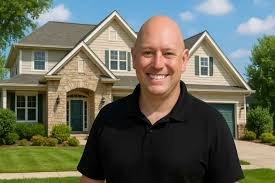
A $450,000 home purchase with an unexpected $6,500 roof and HVAC fix discovered after settlement can change your payment picture fast. Rolled into post-close credit cards at 18%, that cost can mean about $165 per month if repaid over five years – roughly $9,900 total. That is why a home inspection before closing checklist matters as much as your rate, your cash to close, and your reserves.
By Duane Buziak, Mortgage Maestro, NMLS#1110647
In Stafford County, that risk is not theoretical. With the county median listing home price around $550,000 according to Realtor.com, a buyer in neighborhoods like Embrey Mill, Aquia Harbour, or around downtown Fredericksburg is making a large capital decision where a missed defect can erase months of savings. Add in a market that can still produce quick timelines on clean listings, and some buyers feel pressure to waive details they should be checking.
Table of Contents
- What this checklist is really for
- Home inspection before closing checklist: the core items
- What matters most for financing and insurance
- Repair strategy before closing
- Cost and risk table
- 7-step implementation roadmap
- Inspection vs appraisal vs final walkthrough
- FAQ
- Legal disclaimer
What this checklist is really for
A home inspection is not a pass-fail event. It is a risk screen. The right checklist helps you separate cosmetic issues from defects that can affect safety, habitability, insurability, or your first-year cash flow.
That distinction matters because loan approval, seller negotiations, and insurance clearance are different processes. An inspector may note loose handrails, old windows, and minor grading concerns in the same report as electrical hazards or active leaks, but those items do not carry the same weight. If you are using conventional financing, minimum down payment can be as low as 3% for qualified buyers, while many lenders still want to see stable credit and manageable debt. If you are using FHA or VA, property condition can get more attention during appraisal review. For many conventional borrowers, a 620 score is a common floor, though stronger pricing usually comes with stronger credit. Reserve expectations also vary – from none in many owner-occupied scenarios to several months of housing payments for some jumbo, DSCR, or multi-property borrowers.
Home inspection before closing checklist: the core items
Start with the house systems that can create five-figure surprises. Roof age and visible wear come first, especially in homes where shingles are curling, flashing is loose, or attic staining suggests prior intrusion. HVAC is next. Ask not only whether the system works, but how old it is, whether it was maintained, and whether the inspector observed deferred replacement signs.
Electrical and plumbing deserve equal attention. A panel with recalled components, amateur wiring, or double-tapped breakers can become both a safety and insurance issue. On the plumbing side, look for active leaks, polybutylene piping where present, slow drains, low pressure, and signs of prior water damage around tubs, toilets, and under sinks.
Foundation and moisture are where buyers often underestimate the trade-off. Small settlement cracks are common. Horizontal cracking, repeated moisture intrusion, sloping floors, or sticking doors can point to broader movement. In parts of Stafford County with mixed soil and drainage patterns, grading and water management around the home can matter almost as much as the structure itself.
Then check windows, doors, insulation, appliances, and exterior drainage. These may feel less urgent, but several medium-size issues together can still create a large first-year repair budget.
The shortest useful version of the checklist
Before closing, confirm the inspection report clearly addresses roof, attic, HVAC, water heater, plumbing supply and drains, electrical panel and outlets, foundation, crawlspace or basement moisture, windows and doors, grading, appliances, and any safety items such as railings, smoke alarms, or GFCI protection.
What matters most for financing and insurance
Not every defect affects closing. Some affect only your negotiation position. Others can delay loan docs or homeowners insurance.
For example, peeling paint on older homes can matter more on certain government-backed transactions. A failing roof, missing handrails, non-functioning heat, exposed wiring, or significant water intrusion can trigger lender or insurer concern. If the home is in a condo or planned community, review association rules too, because deferred maintenance issues can intersect with insurance underwriting.
The current conforming loan limit in most of Virginia is $806,500 for a one-unit property in 2025, based on FHFA limits. That matters because buyers near or above that threshold may move from conforming execution into jumbo pricing and reserve requirements, which can tighten how much repair cash they can comfortably absorb after closing. Source: https://www.fhfa.gov/data/conforming-loan-limit-cll-values
Inspection issues that most often create closing friction
| Issue | Typical impact before closing | Why it matters | |—|—:|—| | Active roof leak | High | Can affect appraisal, insurance, and repair negotiation | | Non-working HVAC | High | Habitability concern and major first-year expense | | Exposed wiring or unsafe panel | High | Safety and insurability issue | | Plumbing leak with damage | High | Ongoing property deterioration risk | | Minor cosmetic cracks | Low | Usually maintenance, not financing | | Old but functional appliances | Low to medium | Budget issue more than loan issue |
Repair strategy before closing
The smartest approach is usually not asking the seller to fix everything. Ask for too much, and you dilute the urgency of the items that actually matter. Ask for too little, and you inherit avoidable costs.
A cleaner strategy is to divide findings into three buckets: safety or finance-related issues, major system defects, and routine maintenance. The first bucket should be addressed first. The second bucket is often where credits make more sense than seller repairs, especially if contractor access is tight before closing. The third bucket is usually for your own post-close planning.
Credits versus repairs depend on timing and documentation. In a competitive market, a credit can preserve deal momentum. But if the defect affects loan or insurance approval, repair before closing may be the only practical path. The CFPB’s home closing resources are useful for understanding where repair and closing costs fit in the transaction process: https://www.consumerfinance.gov/owning-a-home/closing-disclosure/
Typical repair budget ranges buyers should model
| Item | Common range | Budget risk level | |—|—:|—| | Roof repair | $800-$3,500 | Medium | | Roof replacement | $8,000-$18,000+ | High | | HVAC repair | $300-$1,500 | Medium | | HVAC replacement | $6,000-$12,000+ | High | | Water heater replacement | $1,200-$2,500 | Medium | | Electrical panel replacement | $2,000-$5,000 | High | | Plumbing leak remediation | $500-$4,000+ | Medium to high |
Those are broad working estimates, not bids. Local pricing in Stafford and Fredericksburg can move based on contractor demand, season, and whether permits are required.
Cost and risk table
Closing costs in Virginia often run around 2% to 5% of the purchase price depending on prepaid items, lender fees, title charges, and escrows. On a $550,000 purchase, that can mean roughly $11,000 to $27,500. If a buyer already has a tight cash-to-close position, even a moderate inspection surprise can force a hard choice between preserving reserves and proceeding. HUD’s homebuyer materials provide a useful baseline on inspections and homeownership costs: https://www.hud.gov/topics/buying_a_home
In practical terms, that is why your checklist should not only identify defects. It should rank them by impact on closing, insurance, first-year maintenance, and resale.
7-step implementation roadmap
- Schedule the inspection immediately after contract ratification so you still have negotiation time.
- Attend at least the final walkthrough with the inspector, and ask direct questions about age, remaining life, and urgency.
- Mark every finding as safety, major system, or maintenance.
- Get contractor quotes on any issue likely to exceed $1,500 or affect financing.
- Review whether repair requests, seller credits, or price reduction best fit the transaction timeline.
- Recheck all agreed repairs before closing and keep invoices or receipts where available.
- Use the final walkthrough to confirm condition has not changed and negotiated items were completed.
Inspection vs appraisal vs final walkthrough
Buyers mix these up all the time. The inspection is for your knowledge. The appraisal is for value and, in some loan types, minimum property condition. The final walkthrough is your last confirmation that the property is in the expected condition when you take ownership.
For VA buyers especially, it helps to know that the VA appraisal is not a substitute for a home inspection. The Department of Veterans Affairs says that plainly, and it is one of the most useful reminders in any purchase transaction. Source: https://www.va.gov/housing-assistance/home-loans/home-buying-process/
This is where local context matters. In faster-moving pockets near schools, newer subdivisions, or military-driven relocation demand, buyers can feel pushed to shorten contingencies. That can work on a clean, newer home in Embrey Mill. It is riskier on an older property in established sections of Stafford or a home with additions, older mechanicals, or visible drainage issues.
FAQ
Do I need a home inspection if the house looks updated?
Yes. New flooring and paint can hide older plumbing, roof wear, or electrical problems.
Can a seller refuse repairs?
Yes. The contract controls your rights. A seller can refuse, counter, or offer a credit instead.
Should I ask for a credit or repairs?
It depends. Credits are often cleaner for timing, but lender or insurer concerns may require completed repairs.
Does a home inspection affect my mortgage approval?
Usually indirectly. The inspection itself is not loan approval, but serious defects can affect appraisal, insurance, or your willingness to proceed.
What if the inspector finds roof damage after my rate is locked?
Your rate lock and the property’s condition are separate issues. The transaction can still be delayed if repairs or insurance questions arise.
Is a final walkthrough enough without an inspection?
No. A walkthrough is not a technical evaluation. It is a condition check right before settlement.
How much cash should I keep after closing for repairs?
There is no universal number, but many buyers are more comfortable keeping at least 1% of the home’s value available for early maintenance, and more if the home has aging systems.
Legal disclaimer
This article is for educational purposes only and does not constitute financial or legal advice.
A careful checklist will not make an old house new, but it will help you decide what you are truly buying, what the next 12 months may cost, and whether the deal still works on your terms.
Duane Buziak, Mortgage Maestro | NMLS: 1110647 | Licensed in VA · FL · TN · GA | UWM PRO ELITE 2025 | UWM Top 20 Purchase LO Virginia 2025 | UWM Speed to Close Industry Leading 2025 | Scotsman Guide Top Originator 2025 & 2026 | VA Broker of the Year 2024-2025 | Top 1% Nationwide | Coast2Coast Mortgage | DuaneBuziakMortgageMaestro.com | duane@coast2coastml.com | (804) 212-8663
OG Title: Home Inspection Before Closing Checklist OG Description: Use this home inspection before closing checklist to catch costly issues, negotiate repairs, and protect your budget before settlement day. OG Image: https://staffordmortgage.com/wp-content/uploads/2025/01/home-inspection-before-closing-checklist.jpg