
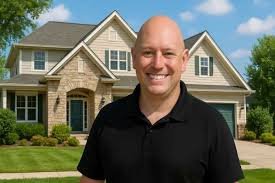
A USDA loan works only on a property inside a USDA-designated rural area, and much of Stafford County’s most developed ground, including Garrisonville, North Stafford, Stafford Courthouse and Embrey Mill, is likely outside that map. The address decides eligibility before credit, income or price enters the conversation, so the address check comes first. This explainer covers the full list of USDA loan rural property requirements, a walkthrough for checking a Stafford address, a worked dollar example against FHA, and the options for buyers whose address doesn’t qualify.
How USDA Decides a Property Is Rural
Eligibility is set by the property’s address on USDA’s official eligibility map, not by how a street looks or feels. The designations are largely population-based and are revisited periodically, so a status you saw a few years ago may have changed. As of 2026, the USDA Rural Development property eligibility site is the only authority that counts.
Guaranteed versus Direct
The program a mortgage broker works with is the USDA Single Family Housing Guaranteed Loan Program. “Guaranteed” means a participating lender makes the loan and USDA backs a portion of it, which lowers the lender’s risk and is what makes 0% down possible. USDA also runs a separate Direct loan program, where the agency itself is the creditor and the household income rules are far tighter. Direct loans are not what a broker arranges, so this article focuses on the guaranteed side. For a broader look at the program’s rules, see our guide to rural development home loan requirements.
Duane Buziak is a mortgage broker, not a lender. He shops a borrower’s file across hundreds of wholesale lenders, which matters here because only some of them offer USDA financing.
Rural does not mean farmland
Many buyers assume “rural” means cornfields and barns. It doesn’t. Some suburban-looking addresses sit inside eligible areas, and some wooded, country-feeling lots fall outside them because the surrounding census area is considered developed. Two houses on the same road can even have different results. Treat the map as the answer, and treat a neighbor’s story, a listing description or a real estate sign as hearsay.
The Property Standards Beyond Location
Even an eligible address must pass a set of property rules. The governing document is USDA’s Handbook HB-1-3555, with the underlying regulation at 7 CFR Part 3555. Verify specifics there, because guidance gets updated.
Use and type of property
- Primary residence only. You must live in the home. Investment properties, rentals and second homes don’t qualify.
- Not income-producing. The property can’t be run as a business or farm operation that supports the household’s income.
- Modest single-family housing. Eligible types include single-family homes, approved condominium units and manufactured homes that meet USDA’s standards.
Condition standards
The appraisal has to show the home is safe, sound and structurally secure. That means working heating, plumbing and electrical systems, a roof that isn’t failing, adequate year-round road access and a safe water supply. Rural lots often rely on a private well and septic system. Expect water testing, a septic evaluation and checks of setback distances between the well, the septic field and the house. Buyers weighing country properties more broadly may also want to review the rural property mortgage programs available in Stafford County.
Common pitfalls
- Peeling or chipping paint. On older homes, especially those built before 1978, deteriorated paint is a typical appraisal repair item.
- Excess land or outbuildings. USDA expects a typical residential lot, so a large parcel or a collection of barns and shops can raise questions about whether the property is modest and non-income-producing.
- Shared or unmaintained private roads. Without a recorded maintenance agreement, a private road can derail the file.
- Pools and acreage. Rules on in-ground pools and on how much land is acceptable are the details people most often get wrong. Confirm them against the handbook or with Duane Buziak before you fall for a specific listing.
A seller can sometimes fix these items before closing, but the fix has to be completed and reinspected. Ask your agent to flag any of them before you write an offer. If you’re eyeing a larger parcel, our article on financing farmland and agricultural property explains why a different loan structure may fit better.
Checking a Stafford County Address: Where USDA Likely Does and Doesn’t Apply
Candidly, heavily developed parts of the county are unlikely to be eligible. That includes the neighborhoods around Garrisonville, the North Stafford corridor, Stafford Courthouse and Embrey Mill. Some outlying, less developed pockets in the county may be on the map. This article does not assert eligibility for any named neighborhood, because designations shift and only the address-level result counts. For the borrower side of the equation, see USDA loan eligibility in Virginia.
The four-step check
- Open the USDA property eligibility tool and select the single-family housing guaranteed option.
- Enter the exact street address, not just the neighborhood or ZIP code.
- Screenshot the result with the date visible and save it with your listing notes.
- Confirm with Duane Buziak before you tour or write an offer. The lender runs the final determination, so your screenshot is a screening step, not a guarantee.
Doing this before touring saves a lot of wasted weekends. An exciting house with an ineligible address is a dead end for this loan type, though not necessarily for other programs.
The Quantico commuter trade-off
Many Stafford households are tied to MCB Quantico or to DoD jobs along the I-95 corridor. If a rural-designated lot means a longer drive, add up the real cost: fuel, vehicle wear, base-gate timing and hours behind the wheel each week. Compare that total against a closer-in home financed another way. A 0% down loan can look attractive on paper while a daily commute quietly erodes the savings.
USDA also applies household income limits, which depend on household size and county. Those limits are published by USDA and updated, so confirm the current figure for your household before assuming you fit. Duane Buziak can run that check alongside the address.
Worked Example: USDA vs. FHA on a $400,000 Stafford Home
The $400,000 price here is illustrative, not a sourced Stafford median. It is used only to show how the two structures differ. Fee levels below reflect rates as of 2026, and you should confirm them with USDA and HUD before relying on them. No interest rate is quoted, so this comparison covers down payment and mortgage insurance costs only.
USDA guaranteed loan, 0% down
- Purchase price: $400,000
- Down payment: $0
- Upfront guarantee fee: 1% of $400,000 = $4,000, financed into the loan
- Loan amount: $404,000
- Annual fee: 0.35% × $404,000 ÷ 12 ≈ $117.83 per month
FHA loan, 3.5% down
- Purchase price: $400,000
- Down payment: 3.5% = $14,000
- Base loan amount: $386,000
- Upfront MIP: 1.75% × $386,000 = $6,755, financed into the loan
- Total loan amount: $392,755
- Annual MIP: if the current rate is 0.55% for this loan size and term, roughly $386,000 × 0.0055 ÷ 12 ≈ $177 per month
Side by side, USDA saves $14,000 of cash at closing and about $59 per month in mortgage insurance on these assumptions, though it finances a slightly larger balance ($404,000 versus $392,755). The difference only matters if the home is USDA-eligible and your household falls within the income limits. If it isn’t, FHA is a practical fallback. Principal and interest depend on the rate you qualify for, so ask for a quote on your specific file. You can also read about how mortgage insurance requirements work across loan types.
USDA, FHA, Conventional and VA Compared
The right program depends on the address, your occupancy plans and your service history. This table gives the main differences as of 2026.
| Loan Type | Down Payment | Property Location Rule | Occupancy | Mortgage Insurance or Fee | Best Fit |
|---|---|---|---|---|---|
| USDA | 0% | Address must be in a USDA-designated rural area | Primary residence only | Upfront guarantee fee plus annual fee | Eligible rural address and household within USDA income limits |
| FHA | As little as 3.5% | No rural designation required | Primary residence | Upfront MIP plus annual MIP | Buyers with modest savings or credit still being built |
| Conventional (max 90% LTV for cash-out) | Often 3% to 5% for purchases, 20% to avoid PMI | No rural designation required | Primary, second home or investment | Private mortgage insurance when under 20% equity | Stronger credit, larger down payment or non-owner-occupied plans |
| VA | 0% for eligible borrowers | No rural designation required | Primary residence | VA funding fee, with exemptions for some borrowers | Eligible service members and veterans, including Quantico-connected households |
For Quantico-connected buyers, eligible service members and veterans may qualify for 0% down with no location restriction, which makes the VA loan worth a separate look. Our VA versus USDA comparison for Stafford buyers covers the trade-offs in detail.
If an address isn’t USDA-eligible, the fallback options above still exist. Duane Buziak can price them for the same home so you can compare real numbers instead of guessing. Buyers deciding between the two mainstream paths can start with USDA versus conventional loan strategies or the conventional versus FHA comparison.
USDA Rural Property FAQ
1. Is Stafford County eligible for USDA loans?
Eligibility is decided by individual address, not by county. As of 2026, heavily developed areas such as Garrisonville, North Stafford, Stafford Courthouse and Embrey Mill are likely outside the map, while some outlying pockets may qualify. Check the exact address before you tour.
2. How do I check if an address is USDA-eligible?
Enter the full street address into USDA’s property eligibility tool and screenshot the result. Duane Buziak can then confirm it before you write an offer, since the lender makes the final determination.
3. Can I use a USDA loan for an investment property?
No. USDA guaranteed loans are for primary residences only, so rentals, second homes and income-producing properties don’t qualify.
4. Do USDA loans require a well or septic inspection?
If the home uses a private well or septic system, expect testing and an evaluation of setback distances. Requirements vary by property, and the appraiser or lender will specify what’s needed.
5. Can I buy acreage or a home with outbuildings?
Possibly, but USDA expects a modest, typical residential property that isn’t income-producing. Large parcels and working outbuildings can cause problems, so confirm the rules for your specific property as of 2026 before making an offer.
6. Are there USDA household income limits?
Yes. USDA household income limits apply and depend on household size and county. They are updated periodically, so confirm the current figure for your household before you shop.
7. Can I use a USDA loan to buy and renovate?
USDA guaranteed loans are generally used for purchase of a home that already meets condition standards. Whether any repair financing can be built in depends on the program rules and the participating lender as of 2026, so ask before assuming.
8. What if the home fails the appraisal?
Typically the issues must be repaired and reinspected before closing, or the sale price may need renegotiation. If the problems are too large, a different loan type or a different home may be the more practical path. Duane Buziak is a broker, not a lender, so he can look across hundreds of wholesale lenders for your best path forward on the same file.
Confirm the Address Before You Fall for the House
The address decides USDA eligibility, so check the map first and the listing photos second. For many Stafford homes the answer will be no, and that’s useful to know before you spend a weekend touring. Duane Buziak has been helping families find their new homes since 2014, and he can check an address, review your household’s fit and compare USDA, FHA, conventional and VA options for the same home.
Your dream home in Stafford County is closer than you think: with personalized mortgage solutions and local expertise that puts your family’s needs first. Connect with Duane Buziak today to explore flexible home loan options, discover competitive rates, and get the trusted guidance that’s earned recognition as one of Virginia’s top mortgage professionals. Call Stafford Mortgage by Duane Buziak at 540-870-5594 to confirm an address.